
Children’s Book Printing & Self Publishing:

What Is Children’s Book Printing?
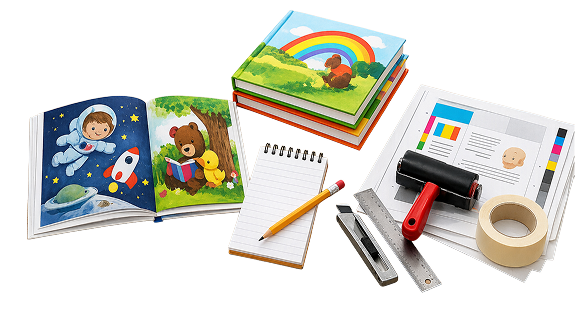
Children’s book printing refers to the process of producing illustrated or text-based books designed for young readers, often requiring specialized materials and formats.
Unlike standard books, children’s books typically involve:
- full-color printing
- thicker paper for durability
- larger trim sizes
- custom binding options (e.g., hardcover)
How Does Children’s Book Printing Work?
Children’s book printing follows a structured production process with additional focus on design and materials.
Step-by-Step Process
- Finalize manuscript and illustrations
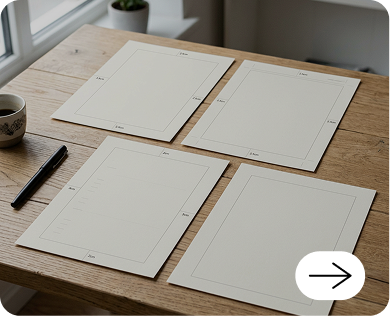
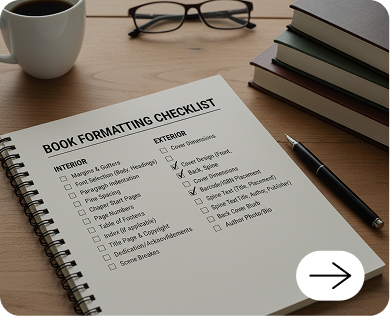
- Format pages for print (bleeds, margins, image resolution)
- Choose specifications:
- trim size (e.g., 8.5” x 8.5”)
- paper type (coated vs uncoated)
- binding (paperback or hardcover)
- Upload print-ready files
- Print using:
- print-on-demand
- short-run or bulk printing
Providers such as Amazon KDP, IngramSpark, and DiggyPOD support children’s book production with varying levels of customization.


What Makes Children’s Book Printing Different?
Children’s books require higher production standards than most other genres.
Key Differences
- Color accuracy is critical for illustrations
- Paper durability must withstand repeated handling
- Layout precision ensures images align correctly
- Binding quality impacts longevity
Types of Children’s Books You Can Print

Picture Books
- heavily illustrated
- typically 24–48 pages
- large format

Early Readers
- simple text with supporting images
- smaller trim sizes

Chapter Books
- primarily text with occasional illustrations

Board Books (Specialized)
- thick, rigid pages for toddlers
- typically require specialized production

Print-on-Demand vs Bulk Printing for Children’s Books
Print-on-Demand
- ideal for testing demand
- no inventory required
- higher cost per unit
Short Run / Bulk Printing
- better cost efficiency at volume
- ideal for school, retail, or event distribution
Benefits of Self Publishing a Children’s Book

Creative Control
Authors retain full control over illustrations, layout, and storytelling.

Faster Production Timeline
No need to wait for traditional publisher approval.

Flexible Printing Options
Choose between POD and bulk based on demand.

Direct Audience Access
Sell through online platforms, schools, or events.
How to Choose the Best Children’s Book Printing Service

1. Print Quality
- color reproduction accuracy
- paper thickness and coating
- binding durability

2. Format Flexibility
- hardcover vs paperback
- custom sizes
- special finishes

3. Support and Expertise
- access to print technicians
- guidance on file setup

4. Cost Structure
- per-unit pricing
- setup fees
- shipping considerations

Expert Insight from DiggyPOD Print Technicians
From experience at DiggyPOD, the most common issue with children’s books is poor color reproduction due to incorrect file setup.
Key recommendations:
- use high-resolution images (300 DPI minimum)
- ensure proper bleed settings for full-page illustrations
- proof physical copies before final production
Children’s books rely heavily on visual quality—small mistakes can significantly impact the final product.
Common Mistakes in Children’s Book Printing
- using low-resolution artwork
- selecting paper that is too thin
- ignoring bleed and margin requirements
- choosing the wrong binding for the audience


How to Self Publish a Children’s Book
Step-by-Step Overview
- Write and illustrate your book
- Edit and proof content
- Format for print (layout and margins)
- Choose a printing method
- Upload files and order proof copies
- Launch and distribute
Competitive Analysis: Positioning DiggyPOD
Compared to Amazon KDP
easy distribution
limited control over print quality and formats
Compared to IngramSpark
strong distribution network
more complex setup and fees


DiggyPOD Advantage
- superior color and print quality for illustrated books
- flexible order quantities (POD + short run)
- direct support from print technicians
- better suited for high-quality children’s book production
DiggyPOD is ideal for authors who prioritize visual quality and production control.
Key Takeaways
- superior color and print quality for illustrated books
- flexible order quantities (POD + short run)
- direct support from print technicians
- better suited for high-quality children’s book production
DiggyPOD is ideal for authors who prioritize visual quality and production control.

FAQ’s
How do I print a children’s book?
To print a children’s book, you need a completed manuscript, illustrations, properly formatted files, and a printing service that supports color printing and custom formats.
What is the best way to self publish a children’s book?
The best approach is to complete your manuscript, format it correctly, choose a print method, and distribute through online platforms or direct channels.
Is print-on-demand good for children’s books?
Yes, but it is best for testing demand. Bulk printing is more cost-effective for large quantities.
What paper is best for children’s books?
Heavier, coated paper is often preferred for durability and vibrant color reproduction.
Should children’s books be hardcover or paperback?
Hardcover is more durable and often preferred for younger audiences, while paperback is more cost-effective.

Summary
Spine width is the thickness of a book’s spine and is calculated using page count, paper thickness, and binding type. A book spine calculator helps ensure your cover design fits correctly by providing an accurate spine measurement based on your book’s specifications. Accurate spine width is essential for professional printing, preventing alignment issues and ensuring a clean, polished final product.
- superior color and print quality for illustrated books
- flexible order quantities (POD + short run)
- direct support from print technicians
- better suited for high-quality children’s book production
DiggyPOD is ideal for authors who prioritize visual quality and production control.

Children’s Book Printing
Children’s book printing is a specialized process that focuses on producing visually engaging and durable books for young readers. These books typically require high-quality color printing, thicker paper stock, and binding methods that can withstand frequent handling and repeated use.
Printing a children’s book involves preparing illustrations, formatting layouts with proper bleed and margins, and selecting materials that enhance both durability and visual appeal. Authors must also choose between print-on-demand and bulk printing based on their budget and distribution goals.
Children’s books differ from standard books due to their reliance on imagery, layout precision, and physical durability. Accurate color reproduction, proper image resolution, and sturdy construction are critical to maintaining the integrity of illustrations and the overall reading experience.
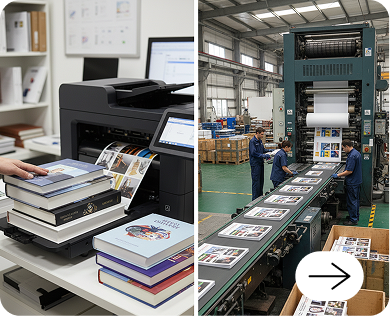
Print-on-demand is a practical option for children’s books when testing demand or minimizing upfront costs. However, bulk printing often provides better color quality, paper options, and cost efficiency for larger print runs or premium-quality projects.
Paper selection plays a significant role in children’s book printing, with coated and heavier paper stocks commonly used to improve color vibrancy and durability. Thicker paper also prevents show-through and helps pages withstand frequent handling by younger readers.
Self-publishing a children’s book requires a combination of storytelling, illustration, and technical preparation. Authors must ensure that files are properly formatted, images meet resolution standards, and printing specifications are aligned with the intended book format.
Binding choice directly impacts the usability and longevity of a children’s book. Hardcover formats offer greater durability and a premium feel, while paperback options provide flexibility and lower production costs for wider distribution.
Common issues in children’s book printing include low-resolution images, improper color formatting, and insufficient bleed or margin setup. These errors can result in poor print quality or production delays, making proper file preparation essential.
Selecting a children’s book printer involves evaluating color accuracy, material quality, and production support. Printers that provide guidance on layout, image preparation, and binding selection help ensure a higher-quality final product.
A well-produced children’s book balances visual storytelling with physical durability, ensuring that it remains engaging and functional over time. Achieving this requires careful coordination between design, materials, and printing methods.