
Novel Printing Services:
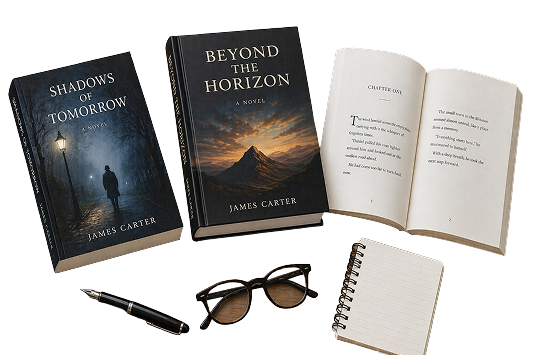
Printing a novel is one of the final and most important steps in the self-publishing process. The decisions you make, paper type, binding, print method, and cover finish, directly impact how readers perceive your book.
Unlike digital formats, printed novels must balance readability, durability, and production cost, making the choice of printing service a critical factor in overall success.

What Is Novel Printing?
Novel printing is the process of producing a fiction manuscript as a physical book using methods such as print-on-demand or bulk printing.
Most novels are printed in:
- paperback (perfect bound)
- hardcover (case bound)
The goal is to create a book that is comfortable to read, durable enough for repeated use, and cost-effective to produce.
How Novel Printing Works
The printing process for novels follows a structured workflow:

1. Manuscript Formatting
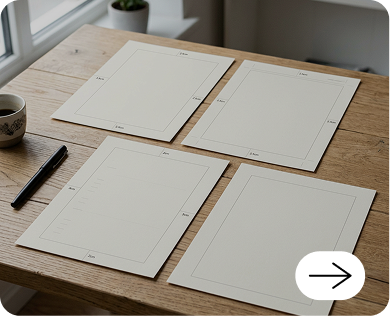
- set margins, trim size, and spacing
- ensure readability across page count
2. Cover Design and Layout
- front cover, spine, and back cover alignment
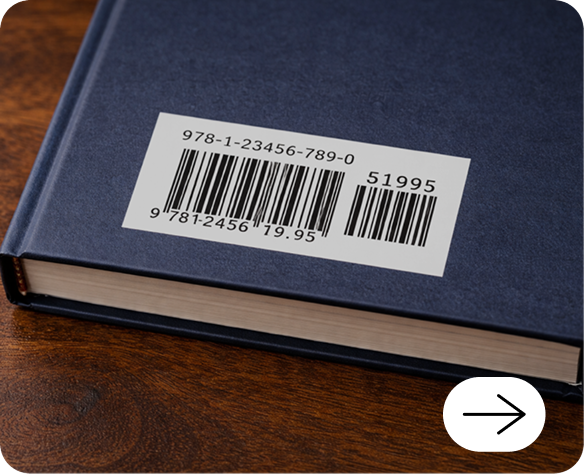
- barcode and ISBN placement
3. Paper and Material Selection
- cream vs white paper
- paper weight and opacity
4. Binding Selection
- paperback (perfect bound)
- hardcover (case bound)
5. Printing Method
- Print-on-demand (POD) → single-copy production
- Short-run printing → small batches
- Bulk printing → large volume
6. Proofing and Production
- review a physical proof
- confirm alignment, trim, and print quality
How to Choose the Right Novel Printing Option
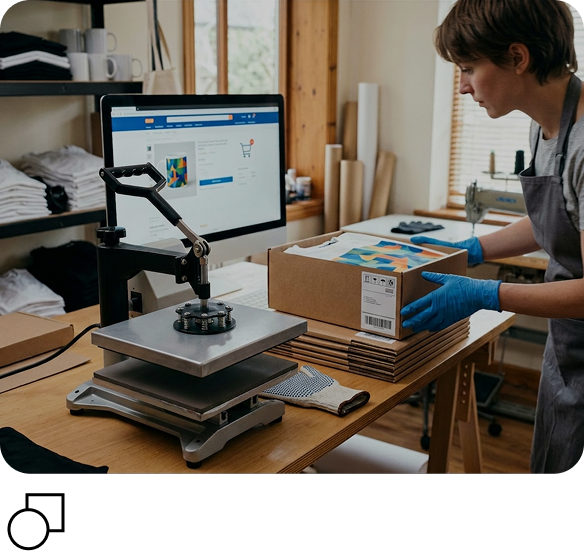
Choose Print-on-Demand if:
- you want to minimize upfront cost
- you are publishing through marketplaces

Choose Print-on-Demand if:
- you want higher quality and control
- you plan to sell directly to readers
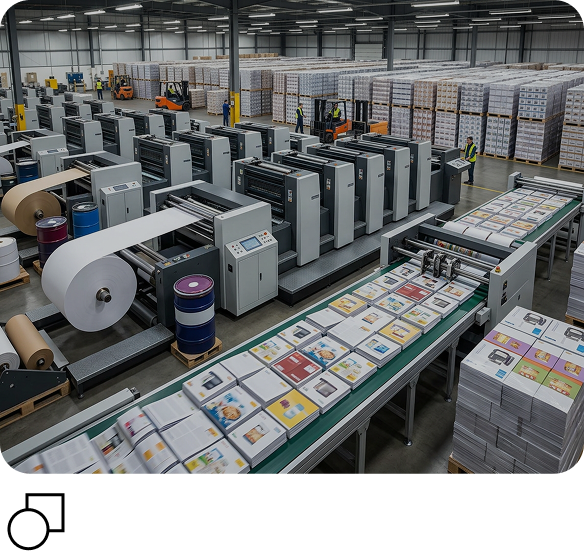
Choose Print-on-Demand if:
- you have established demand
- you want the lowest cost per unit

Paperback vs Hardcover Novel Printing
Paperback (Perfect Bound)
Characteristics:
- flexible cover
- glued spine
- lower production cost
Best for:
- general fiction
- wide distribution
- first-time authors
Hardcover (Case Bound)
Characteristics:
- rigid cover
- sewn or glued binding
- premium feel
Best for:
- special editions
- collector copies
- higher perceived value

Key Production Decisions for Novel Printing

Paper Choice
- Cream paper → reduces eye strain, preferred for fiction
- White paper → sharper contrast, used for some genres

Trim Size
Common sizes include:
- 5” x 8”
- 5.5” x 8.5”
- 6” x 9”
Trim size affects:
- page count
- spine width
- reading experience

Spine Width
Spine width depends on:
- page count
- paper thickness
- Accurate spine calculation is critical for proper cover alignment.

Print Consistency
Consistency across print runs ensures:
- uniform appearance
- professional quality
- fewer production issues

DiggyPOD Print Technician Insight
For novels, readability is everything. We typically recommend cream paper and a balanced margin setup to reduce eye strain. Authors often overlook how paper thickness and trim size impact page count and spine width, which can affect both design and printing accuracy.
Competitive Analysis: Where DiggyPOD Fits
- Amazon KDP
- IngramSpark
Strength: marketplace reach
Limitation: limited customization and inconsistent quality
Premium Print Platforms
- Blurb
Strength: high-end printing
Limitation: higher cost, less flexibility


DiggyPOD Positioning
DiggyPOD serves as a production-focused alternative that offers:
- higher print consistency than standard POD
- flexible short-run and bulk options
- strong material and binding control
- direct access to print experts
When DiggyPOD Is the Best Choice
- printing author copies or inventory
- creating higher-quality editions
- avoiding inconsistencies common in POD platforms
- authors seeking a KDP alternative
When to Request a Custom Quote
Novel printing often involves variables that automated tools don’t fully capture.
A custom quote helps:
- ensure accurate spine width
- optimize material selection
- avoid costly production errors


Key Takeaways
- Novel printing involves formatting, materials, and binding decisions
- Paperback is cost-effective; hardcover adds perceived value
- Print-on-demand is flexible, while short-run improves quality
- Paper choice and trim size significantly impact readability
- DiggyPOD offers a balance of quality, flexibility, and expert support
FAQ Section
What is novel printing?
Novel printing is the process of producing a fiction manuscript as a physical book using paperback or hardcover formats.
What is the best format for printing a novel?
Paperback is the most common format due to cost efficiency, while hardcover is used for premium or collector editions.
Is print-on-demand good for novels?
Print-on-demand is effective for minimizing upfront cost, but may offer less control over materials and consistency.
How do I self publish a novel?
Self-publishing involves formatting your manuscript, designing a cover, selecting a printing method, and distributing your book.
What paper is best for novels?
Cream paper is commonly used for fiction because it reduces eye strain during extended reading.
Summary
Novel printing requires balancing readability, durability, and cost to produce a professional-quality book. Key decisions include paper type, binding, and print method.
Print-on-demand offers flexibility for new authors, while short-run and bulk printing provide better control and cost efficiency at scale.
DiggyPOD is a strong alternative to standard POD platforms, offering higher consistency, flexible production options, and expert support.
Other Topics You May Be Interested In
Self Publishing & Printing Your Novel
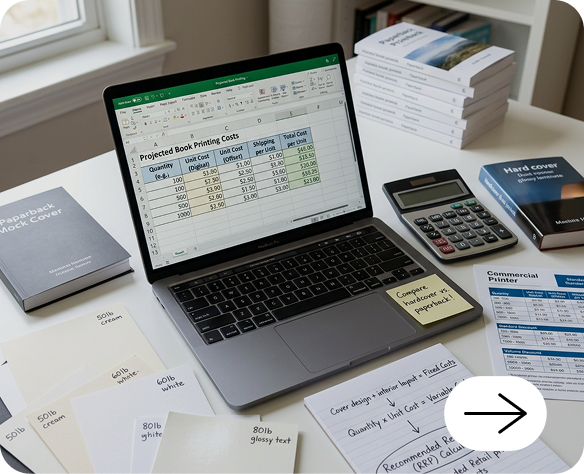
Novel printing is the process of producing a fiction manuscript as a physical book using methods such as print-on-demand or bulk printing. The quality of the final product depends on factors like paper type, binding method, and print consistency
Paperback novels are typically printed using perfect binding, which involves gluing pages to a flexible cover. This format is widely used because it balances affordability, durability, and ease of distribution.
Hardcover novel printing uses a rigid case binding that provides greater durability and a more premium appearance. It is often used for special editions, collector copies, or books intended for long-term use.
Print-on-demand novel printing allows books to be produced individually as orders are placed, reducing upfront costs and inventory risk. However, it may limit customization options compared to short-run or bulk printing.
Short-run novel printing enables authors to produce small quantities with greater control over materials and quality. This method is commonly used for direct sales, author events, or testing market demand.
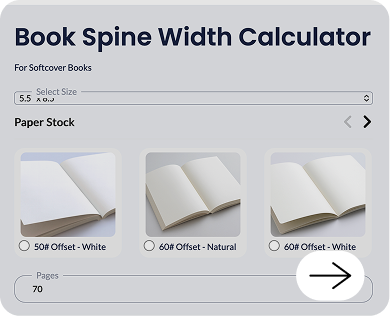
Spine width is calculated based on page count and paper thickness, making it a critical factor in cover design. Incorrect spine measurements can lead to alignment issues during printing.
A well-printed novel requires consistency across copies, including accurate trimming, even ink distribution, and proper binding. Production-focused printers prioritize these factors to ensure a professional result.
A well-printed novel requires consistency across copies, including accurate trimming, even ink distribution, and proper binding. Production-focused printers prioritize these factors to ensure a professional result.
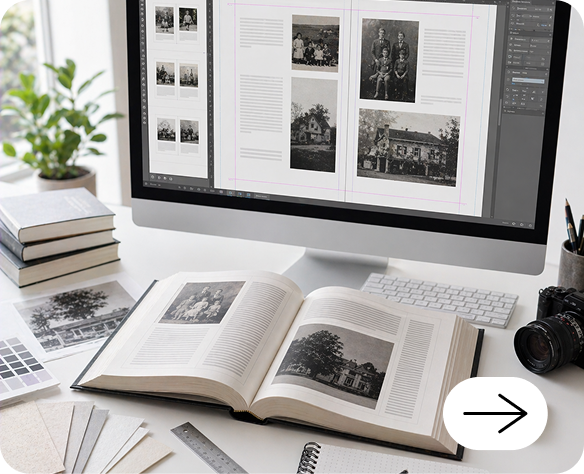
Self-publishing a novel gives authors full control over printing specifications, design, and distribution. This flexibility allows authors to tailor their book to their audience and publishing goals
Choosing the right novel printing service depends on priorities such as cost, quality, and distribution. Some platforms prioritize reach, while others focus on production quality and customization.