
Religious Book Printing Services

What Is Religious Book Printing?
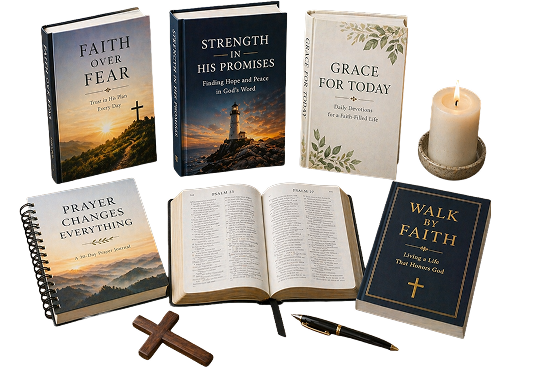
Religious book printing is the process of producing faith-based content, such as Christian books, devotionals, and Bible studies, as professionally bound physical books.
These books are designed to:
- communicate spiritual teachings clearly
- support repeated reading and study
- withstand long-term use in group or personal settings
Common formats include:
- paperback (perfect bound)
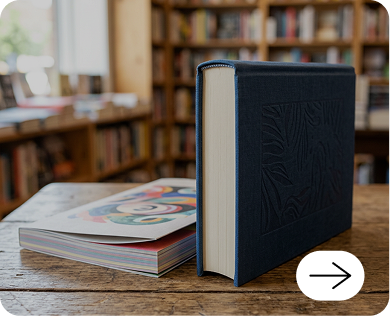
- hardcover (case bound)
- short-run or print-on-demand editions
How Motivational Book Printing Works
The production process for motivational books combines standard book printing with additional focus on readability and presentation.

1. Manuscript Preparation
- structured chapters, verses, or lessons
- clear section organization for study
2. Interior Formatting
- readable typography for extended reading
- spacing for notes or reflection
3. Cover Design
- message-driven imagery and typography
- clear title hierarchy for discoverability
4. Material Selection
- paper type for readability and note-taking
- durable cover materials
5. Binding Selection
- paperback for accessibility
- hardcover for longevity
6. Printing Method
- print-on-demand for flexibility
- short-run or bulk printing for quality and cost control
How to Choose the Right Printing Option for Faith-Based Books

Choose Print-on-Demand if:
- you want to minimize upfront costs
- you are testing demand or audience
Choose Short-Run Printing if:
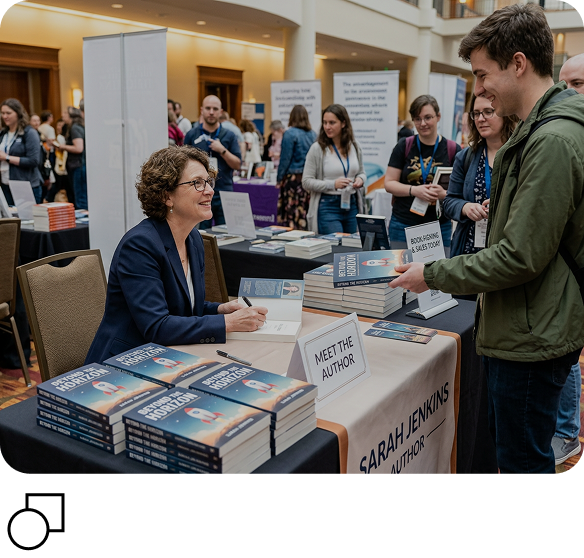
- you plan to distribute through churches or events
- you need consistent quality across copies
Choose Bulk Printing if:
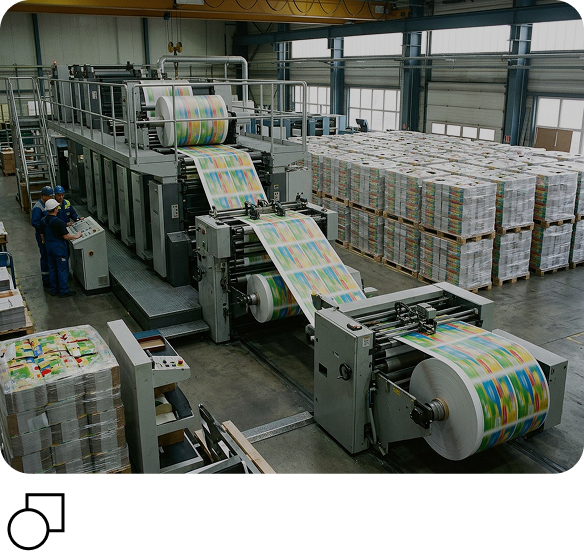
- you have an established audience
- you need lower cost per unit for large distribution
Paperback vs Hardcover Religious Books
Paperback (Perfect Bound)
Best for:
- devotionals
- study guides
- wide distribution
Advantages:
- cost-effective
- lightweight and portable


Hardcover (Case Bound)
Best for:
- keepsake editions
- church publications
- long-term reference books
Advantages:
- durable construction
- higher perceived value
Key Production Decisions for Religious Books
Readability
Faith-based books are often read repeatedly or studied in depth, so:
- font size and spacing must be comfortable
- layouts should support long reading sessions
Paper Choice
- Cream paper → reduces eye strain
- White paper → better for note-taking and contrast
Writing Space
Many religious books benefit from:
- wider margins
- space for annotations or journaling
Binding Durability
Books used in study groups or services require strong binding to withstand frequent handling.
1. Manuscript Preparation
Consistency ensures:
- accurate text reproduction
- uniform formatting
- professional presentation
DiggyPOD Print Technician Insight
Religious books are often used in group settings and revisited over time, so durability and readability are critical. We frequently recommend slightly thicker paper and wider margins to allow for note-taking. One common issue is overly tight layouts, which make long reading sessions more difficult.


Competitive Analysis: Religious Book Printing Services
Distribution Platforms
- Amazon KDP
- IngramSpark
Strengths:
- global distribution
- low upfront cost
Limitations:
- limited material options
- inconsistent print quality
Specialty Christian Publishers
- traditional Christian publishing houses
Strengths:
- niche expertise
- editorial support
Limitations:
- long timelines
- limited author control


DiggyPOD Positioning
DiggyPOD is ideal for:
- independent Christian authors
- churches and ministries
- devotional and study guide creators
Key Advantages
- flexible short-run and bulk printing
- strong print consistency
- customizable materials and formats
- direct access to print expertise
When DiggyPOD Is the Best Choice
- printing books for church distribution
- creating devotional or Bible study materials
- producing premium or keepsake editions
- authors seeking alternatives to standard POD platforms
When to Request a Custom Quote
Religious books often include:
- unique formatting requirements
- varying page counts
- specific paper and margin needs
A custom quote ensures:
- accurate production setup
- proper material selection
- optimized pricing


Key Takeaways
- Religious book printing prioritizes readability and durability
- Paperback is ideal for accessibility; hardcover for longevity
- Print-on-demand offers flexibility; short-run improves quality
- Layout and paper choice impact usability and study experience
- DiggyPOD provides flexible, high-quality solutions for faith-based authors
FAQ’s
What is religious book printing?
Religious book printing is the process of producing faith-based content such as devotionals, Bible studies, and Christian books in physical formats.
Is print-on-demand good for Christian books?
Print-on-demand is useful for reducing upfront costs, but short-run printing provides better quality and consistency.
What format is best for religious books?
Paperback is commonly used for study materials, while hardcover is preferred for long-term or keepsake editions.
What paper is best for devotional books?
Cream paper is often preferred for readability, while white paper may be used when note-taking is a priority.
How do I self publish a religious book?
You can self-publish by preparing your manuscript, formatting the interior, designing a cover, selecting a printing method, and distributing your book.
Summary
Religious book printing focuses on producing durable, readable books designed for repeated use and study. Material selection and layout play a critical role in the reader experience.
Print-on-demand offers flexibility for new authors, while short-run printing provides higher quality and consistency for churches and ministries.
DiggyPOD enables faith-based authors to create professional books with flexible quantities, strong print quality, and customizable options.

Other Topics You May Be Interested In

Self Publishing & Printing Your Religious/Faith Based Book
Religious book printing is the process of producing faith-based content, such as devotionals and Bible studies, as professionally printed books. These books are typically designed for repeated reading and group use, requiring durable materials and highly readable layouts.
Paperback religious books are commonly used for devotionals and study guides because they are affordable and easy to distribute. This format is especially effective for churches and ministries that need to print and share materials at scale.
Hardcover religious books provide increased durability and a more premium feel, making them suitable for keepsake editions or long-term reference materials. They are often used for commemorative or high-value publications.
Print-on-demand religious book printing allows authors to produce copies as needed, reducing upfront investment. However, it may limit customization compared to short-run or bulk printing options.
Short-run printing is a practical solution for churches and ministries that need a specific number of books for events or study groups. It offers better control over materials and print quality without requiring large orders.
Paper choice is an important consideration for religious books, especially those used for study. Cream paper improves readability, while white paper is often preferred when readers need space to write notes.
Layout plays a key role in the usability of religious books. Clear typography, proper spacing, and structured sections make it easier for readers to follow along and engage with the content.
Binding durability is essential for religious books that are used frequently in group settings. Strong binding helps maintain the integrity of the book over time, even with repeated handling.
Religious books are often distributed through churches, ministries, and direct sales, making flexible printing options important. Authors and organizations must balance cost, quality, and quantity when choosing a printing method.
Choosing the right religious book printing service depends on factors such as customization, print quality, and ordering flexibility. Some services prioritize convenience, while others focus on production quality and long-term durability.